Museum of Riverside

Conserving Water
In Southern California, 70 percent of the typical home’s water consumption is used watering landscape plants, mostly grass. “Water-wise” plants have larger root systems or other features (such as smaller leaves, light-colored foliage, or fragrant oils) that help draw water from deep in the soil or prevent evaporation of water from plant tissues.
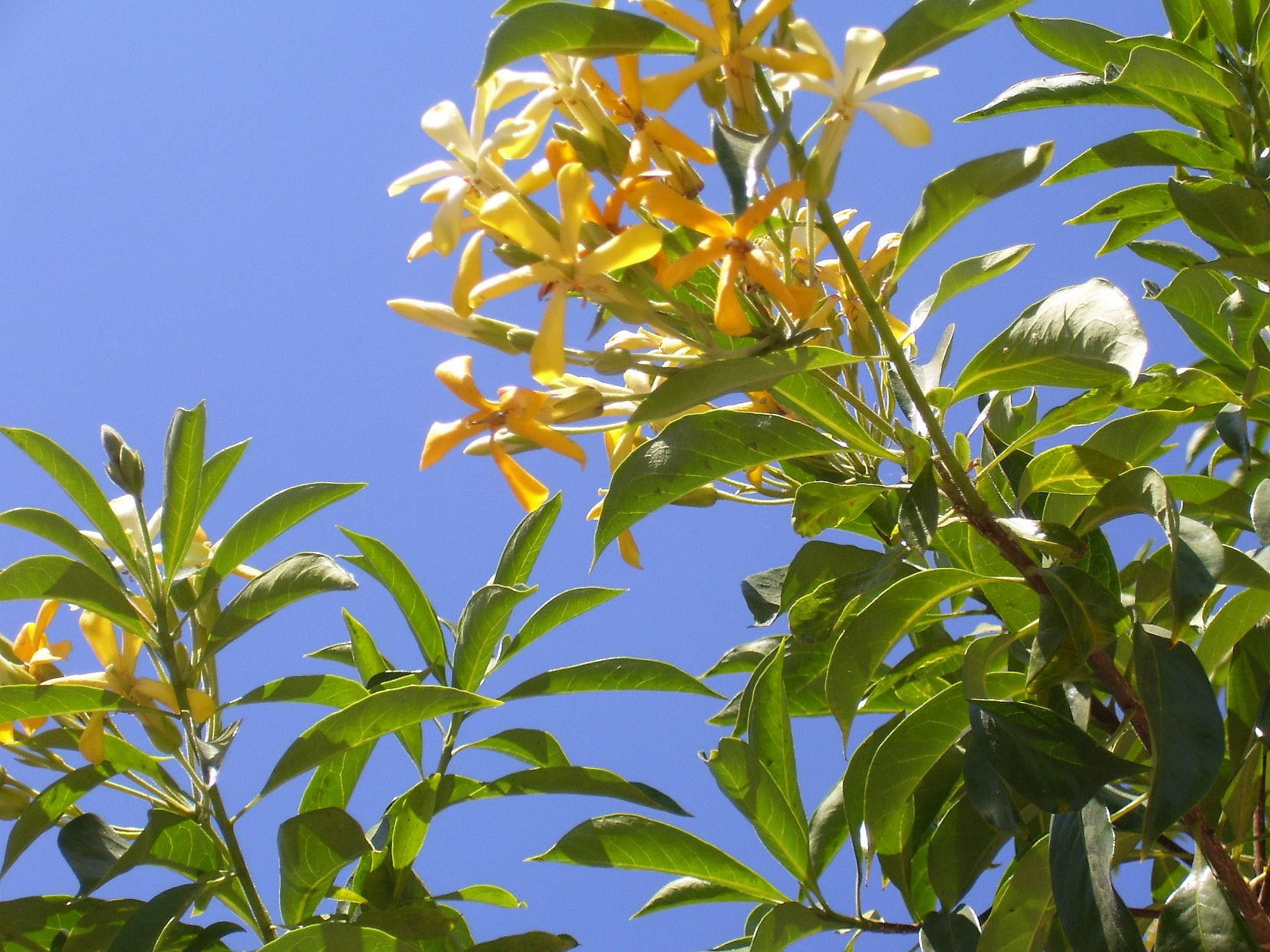
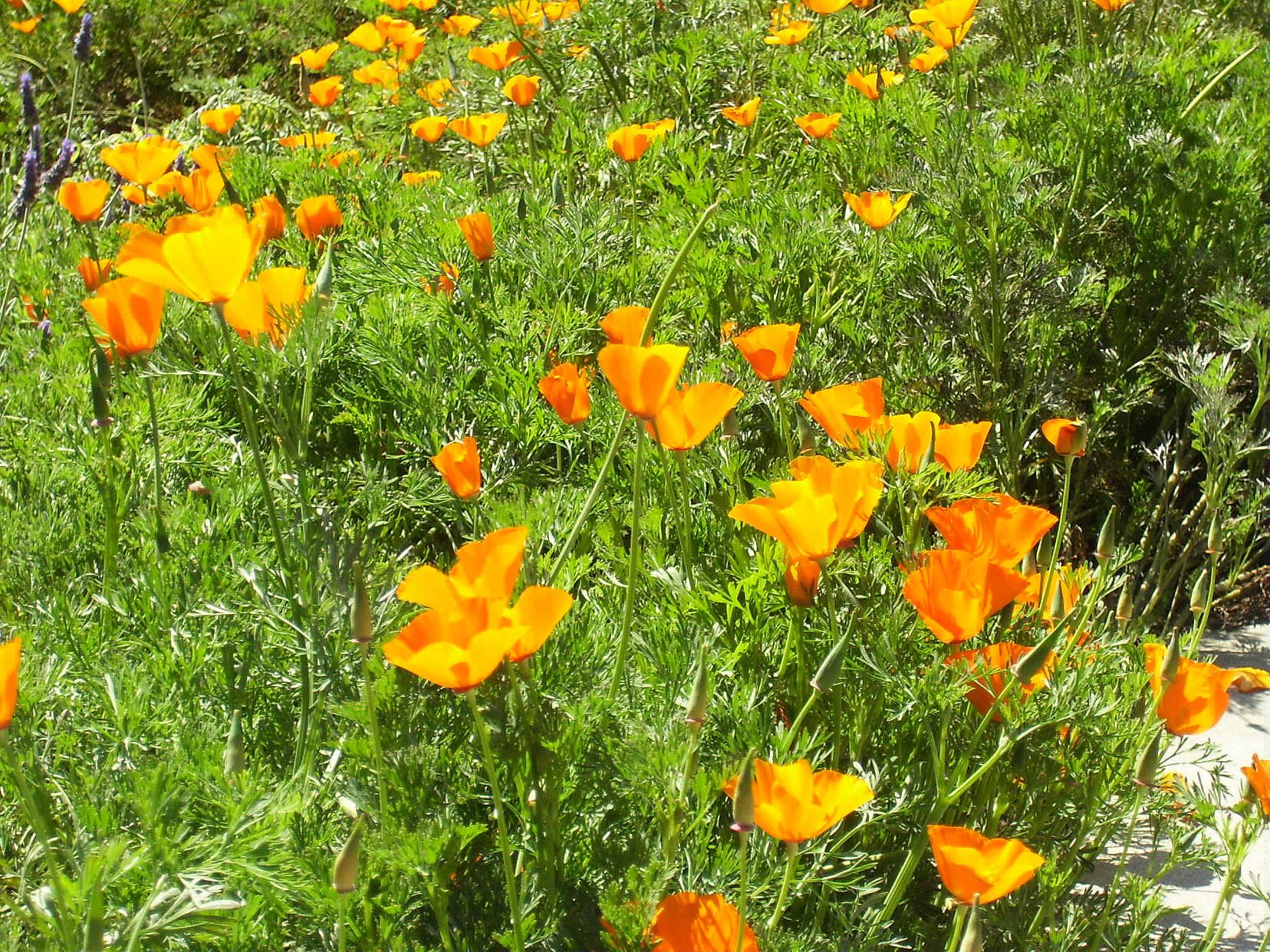
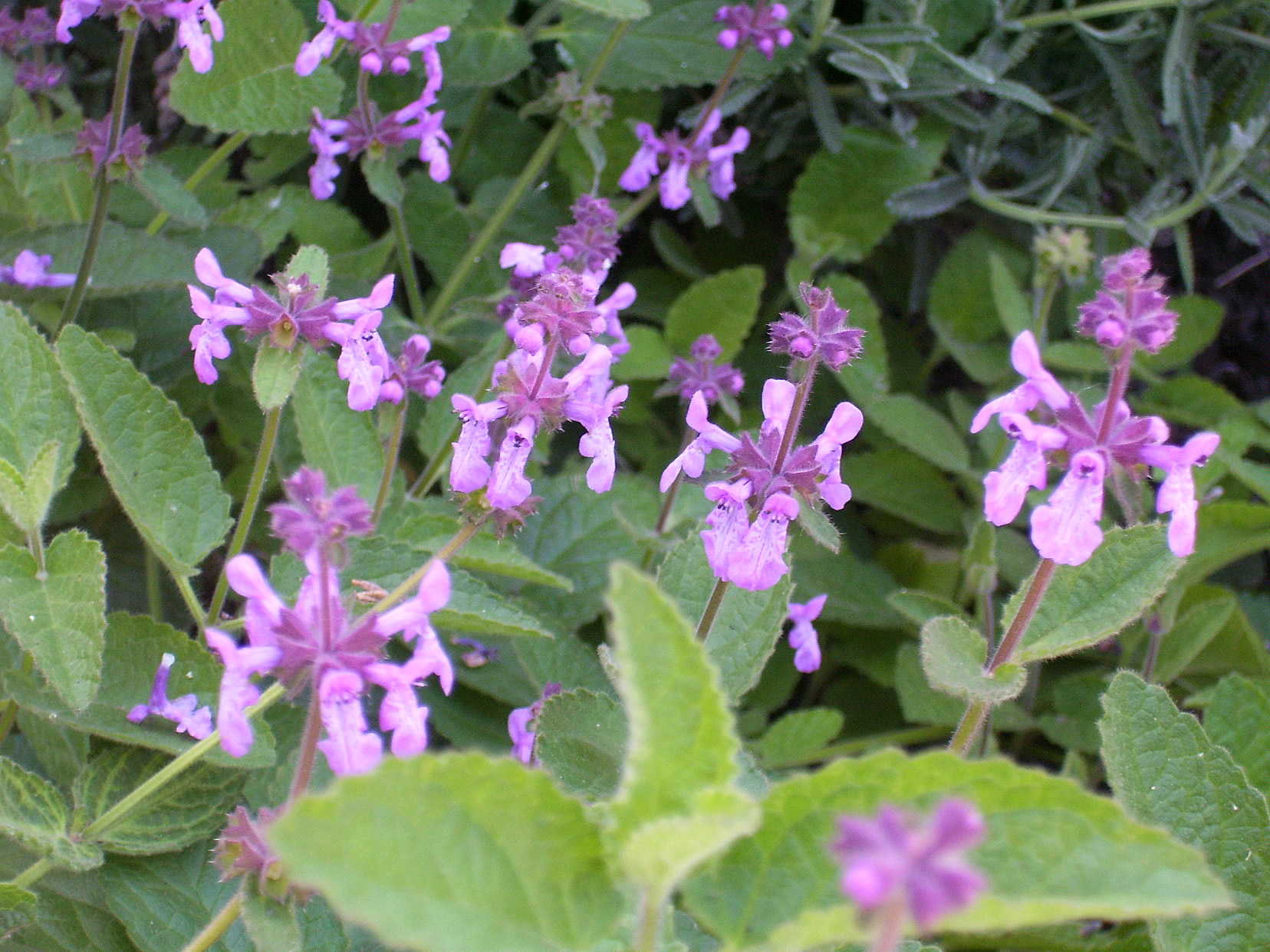
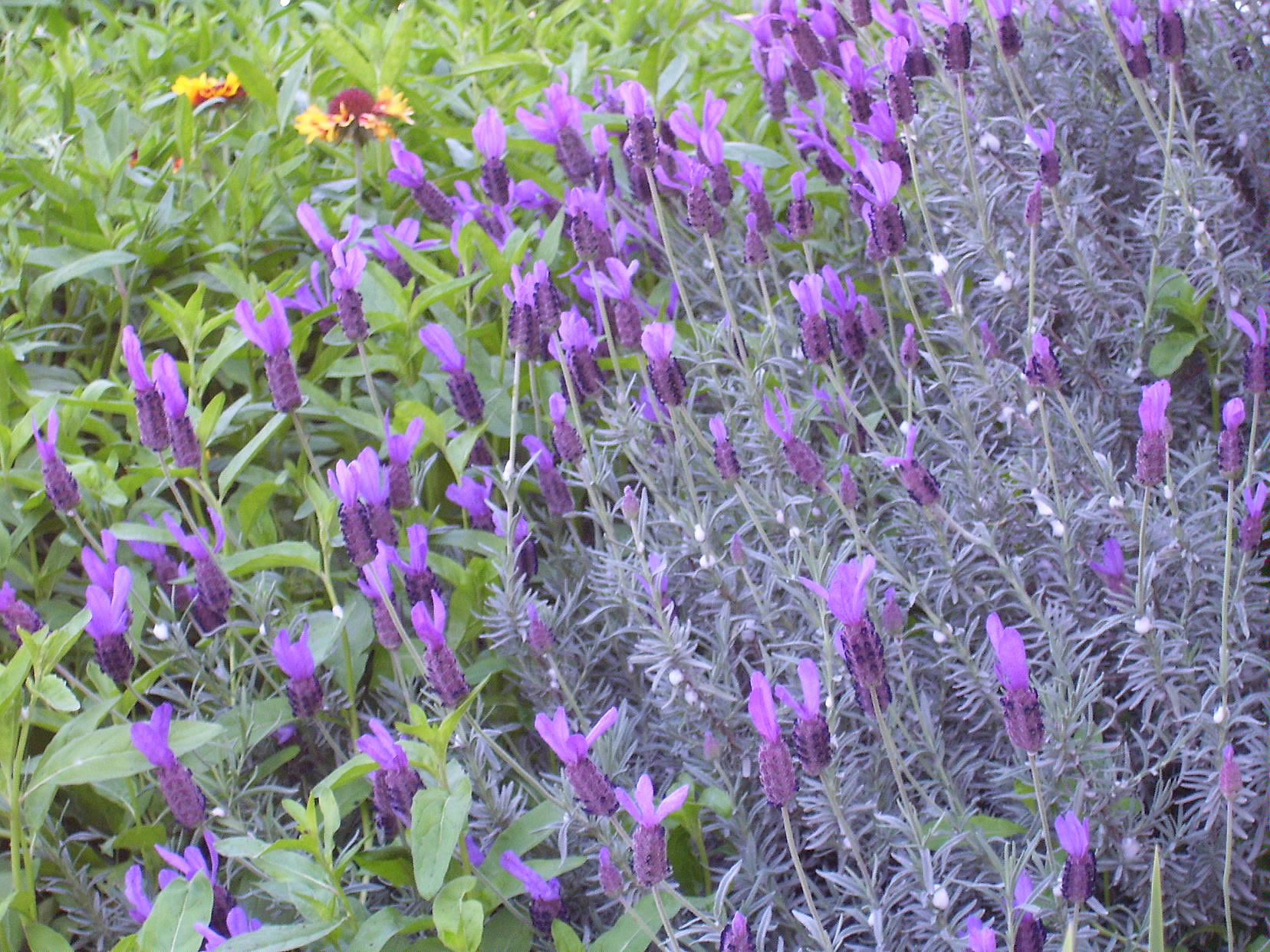
The plants selected by architect Eric Barnett for this project meet the location’s historic and environmental requirements, yet also provide a variety of foliage textures and seasonally-changing floral color. These plants include:
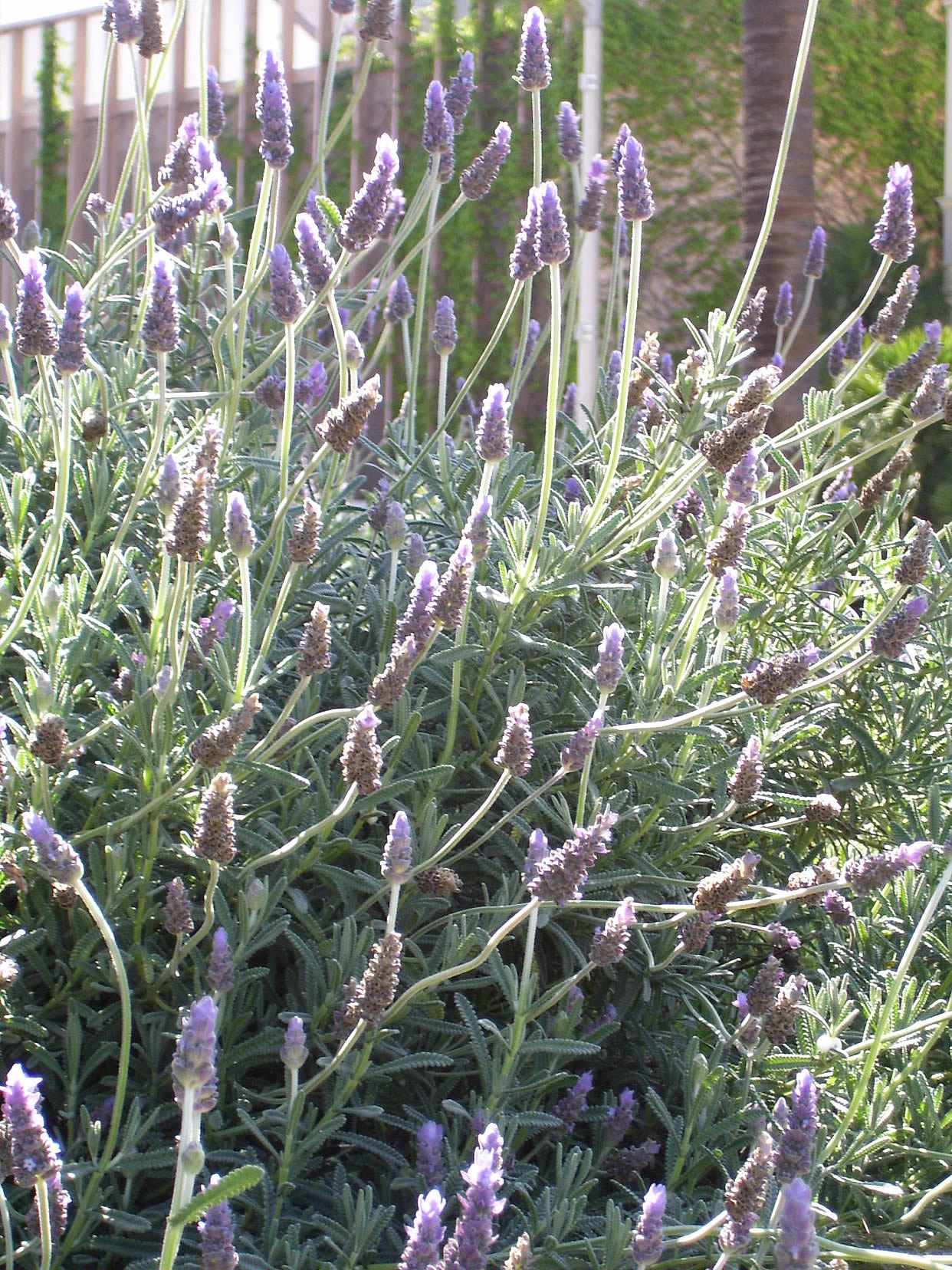
- Shrubs (such as Artemisia and Lavandula), grasses (such as Pennisetum) and perennials (such as Amaryllis) from Mediterranean-type environments
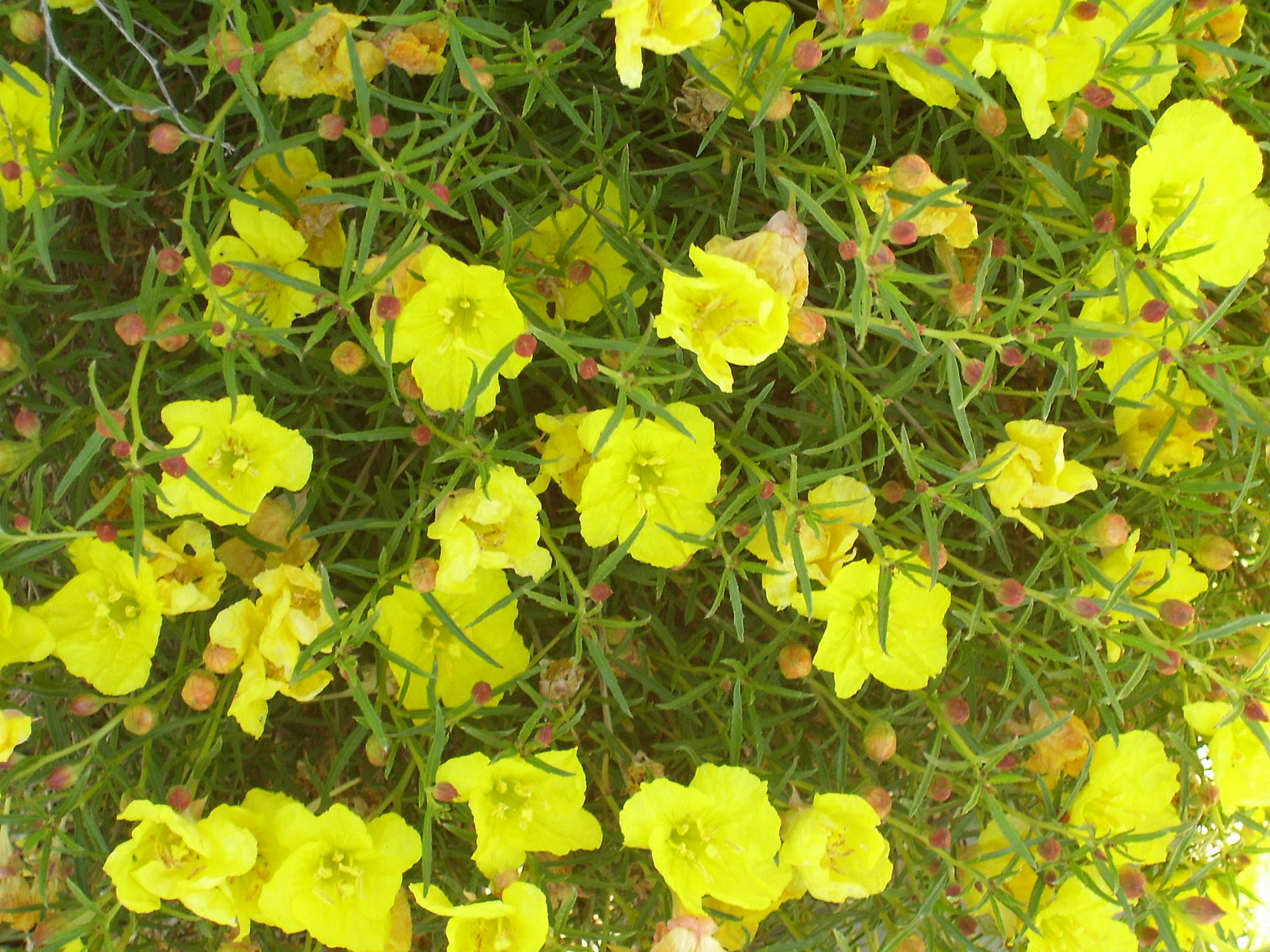
- Cultivated varieties of North American native plants (like Gaura and Calylophus) • Cultivated varieties of California native species (like Penstemon and Arctostaphylos)
- Trees that compliment the Renaissance Revival-style outline of the building (the palm Chamaerops humilis and the South African cape chestnut Calodendrum capense).
Raised planters (in areas once covered by turf grass) make each grouping of plants easier to see. The project’s irrigation system has a digital controller, including soil moisture and precipitation sensors, which prevent the system from running during wet seasons. Heavy mulching with bark slows loss of soil moisture between waterings.
 |
 |
 |
 |
| (Click images for larger photo) | |||
 |
 |
 |
 |
| (Click images for larger photo) | |||
| Our Waterwise Plants | |
|
|
Waterwise Garden Links
More Nature Links
Project Partners & Supporters
City of Riverside Public Utilities
City of Riverside Public Works
California EPA/Department of Pesticide Regulation
Eric Barnett, RCB, Inc.
City of Riverside Parks & Recreation
Metropolitan Water District of Southern California
Contempo Homes
SYNAGRO
Riverside Museum Associates
Mr. Henry Coil
Stay Connected


Main Museum
|
Address: 3580 Mission Inn Avenue Riverside, CA 92501 Phone: (951) 826-5273 Hours |
|
| Closed for Innovation | |
Heritage House
|
Address: 8193 Magnolia Ave. Riverside, CA 92504 Hours Open Sept (1st weekend after labor day) to June. |
|
| Monday - Thursday | Closed |
| Friday - Sunday | Open at 12:00 pm - Last Tour at 3:15 pm |
| Closed Major Holidays | |
Harada House
| Not Open to the Public |