Museum of Riverside

The Incarceration Camps
For the next three years, the Haradas joined over 120,000 Japanese Americans in incarceration camps where they endured life in hastily constructed barrack compounds surrounded by armed guards and barbed wire. Initially the Harada family was relocated to three different camps established by the War Relocation Authority: Tule Lake (California), Poston (Arizona), and Topaz (Utah). In 1943, Harold, Sumi, and adopted son Roy successfully petitioned for a transfer to join their parents at Topaz. Within days of their arrival, Ken Harada suffered a fatal stroke. Just under a year later Jukichi Harada also passed away.
Even the deaths of their parents in the Topaz incarceration camp did not weaken the patriotism of the Harada children. Though the United States government had denied them their civil liberties by incarcerating them, Harada family members continued to fight for their civil rights, including the right to serve in the United States armed forces. Mine Harada’s husband, Saburo Kido, president of the Japanese American Citizens League, advocated for the basic civil right to serve in the military, which resulted in the formation of the 442nd Regimental Combat Team in which the Harada sons served.
Jess Stebler, a friend of the family, managed all the Harada affairs in Riverside during their incarceration. Stebler maintained their house on Lemon Street, served as property manager for rental properties, paid taxes, and secured insurance. He purchased and mailed numerous items that the Harada’s required at camp but had been unable to take with them. His genuine compassion for the family is evident in the numerous letters he wrote to the family.
| Click the thumbnail images below to enlarge | |
 |
Topaz Guidebook front cover |
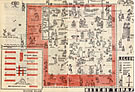 |
Interior map of the Topaz Camp |
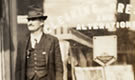 |
Jess Stebler, friend to the Harada Family |
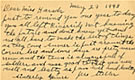 |
Jess Stebler sends a postcard to the Haradas in the incarceration camp. |
| (Museum of Riverside, Harada Family Archives) | |